
If your doctor has mentioned cholangioscopy as part of your treatment plan, you’ve probably searched for it and found a lot of technical jargon that doesn’t quite explain what you actually need to know. This guide breaks it down in plain language — what cholangioscopy is, why it’s done, what to expect, and most importantly, how to choose the right cholangioscopy hospital in Ahmedabad for your care.
What Is Cholangioscopy?
Cholangioscopy is a specialized procedure that allows doctors to directly visualize the inside of your bile ducts — the thin tubes that carry bile from your liver and gallbladder into your small intestine. Unlike standard imaging tests like ultrasound or CT scans, which only give an outside view, cholangioscopy involves inserting a tiny camera-equipped scope directly into the bile duct system, usually through an endoscope already positioned in your digestive tract during a procedure called ERCP (endoscopic retrograde cholangiopancreatography).
This direct view is incredibly valuable because it lets doctors see abnormalities that might be missed on imaging alone — things like bile duct stones that haven’t responded to standard treatment, unclear strictures (narrowings) that could be benign or cancerous, or unusual growths inside the duct. In many cases, cholangioscopy isn’t just diagnostic; it’s also therapeutic, meaning the doctor can use specialized tools passed through the scope to break up stones, take biopsies, or treat the problem in the same sitting.
Why Would Someone Need Cholangioscopy?
Cholangioscopy isn’t a first-line test — it’s usually recommended when other imaging or procedures haven’t given a clear enough picture, or when a condition needs both diagnosis and treatment together. Common reasons include:
- Difficult bile duct stones that are too large or too hard to remove with standard ERCP tools
- Unexplained bile duct strictures, where doctors need to determine if a narrowing is due to scarring, inflammation, or something more serious like cancer
- Indeterminate biliary lesions, where a biopsy through direct visualization gives far more accurate results than a blind biopsy
- Guiding lithotripsy, a technique used to break up stubborn stones using laser or shock wave energy delivered directly through the scope
If your doctor has recommended this procedure, it’s usually because a more straightforward test wasn’t able to fully answer the question about what’s happening inside your bile duct system.
What Happens During the Procedure
Cholangioscopy is typically performed as an extension of ERCP, under sedation, so you won’t be awake or in pain during the process. Here’s a simplified breakdown of what happens:
- Sedation and scope placement – You’re sedated, and an endoscope is passed through your mouth, down through your stomach, and into the first part of your small intestine, where the bile duct opening is located.
- Cholangioscope insertion – A smaller, specialized scope (the cholangioscope) is then passed through the main endoscope directly into the bile duct, giving the doctor a live, high-definition view of the duct’s interior.
- Diagnosis and treatment – Depending on what’s found, the doctor may take tissue samples, use laser or mechanical lithotripsy to break up stones, or simply document the findings for further evaluation.
- Recovery – Since this is done under sedation rather than general anesthesia in most cases, recovery time is relatively short, though you’ll need someone to accompany you home afterward.
This is a highly specialized skill, which is exactly why the choice of hospital and doctor matters so much for this particular procedure.
Choosing the Right Cholangioscopy Hospital in Ahmedabad
Not every hospital offering ERCP also offers cholangioscopy, since it requires additional specialized equipment and a higher level of expertise. When evaluating a cholangioscopy hospital in Ahmedabad, here are a few things worth checking:
- Case volume and experience – Ask how frequently the center performs cholangioscopy. A team that does this regularly is generally better equipped to handle complications and get clear, actionable results.
- Availability of advanced equipment – Digital single-operator cholangioscopy systems provide much clearer imaging than older fiber-optic versions, which can make a real difference in diagnostic accuracy.
- Multidisciplinary support – Since bile duct issues sometimes overlap with liver disease, gallbladder problems, or even suspected malignancy, having access to a broader gastroenterology and hepatology team is a real advantage.
- Clear communication about next steps – A good hospital will walk you through what was found, what it means, and what your treatment options are, rather than leaving you with just a technical report.
It’s also worth considering a hospital that offers a comprehensive range of related diagnostic and treatment services under one roof. For instance, liver health is often connected to bile duct problems, so a center that also provides a fibroscan test in Ahmedabad can help evaluate liver stiffness and related conditions without needing a separate referral. Similarly, if your symptoms involve reflux alongside digestive concerns, having access to a GERD specialist in Ahmedabad at the same facility saves you the hassle of juggling multiple hospitals for connected issues.
How Cholangioscopy Fits Into a Broader Digestive Health Workup
Bile duct and gallbladder issues rarely exist in isolation. Many patients who need cholangioscopy have also undergone other diagnostic tests as part of their overall evaluation. If unexplained abdominal symptoms or bleeding were part of your initial workup, you may have already looked into the capsule endoscopy cost in Ahmedabad, since capsule endoscopy is often used to rule out small bowel causes before more invasive procedures are considered. Likewise, if acid reflux symptoms were part of the picture, your doctor may have suggested 24 hour pH measurement in Ahmedabad to rule out GERD as a contributing factor. Choosing a hospital that offers this full spectrum of gastroenterology diagnostics means your care stays connected and consistent, rather than fragmented across different centers.
What to Expect After the Procedure
Most people go home the same day or after a short observation period, depending on what was done during the procedure. Mild throat discomfort or bloating is common for a day or two, but serious complications are relatively rare when the procedure is performed by an experienced team. Your doctor will typically schedule a follow-up to discuss biopsy results (if taken) and outline next steps, whether that’s monitoring, further treatment, or referral to a specialist if something more serious was found.
Final Thoughts
Cholangioscopy is a highly specialized but incredibly useful procedure when standard imaging and ERCP alone aren’t enough to solve the puzzle of what’s happening inside your bile ducts. Choosing an experienced, well-equipped cholangioscopy hospital in Ahmedabad — one with a track record in this specific procedure and a broader gastroenterology support system — gives you the best chance at an accurate diagnosis and effective treatment, all without unnecessary delays or repeat procedures.
If your doctor has recommended cholangioscopy, don’t hesitate to ask direct questions about the hospital’s experience with the procedure. It’s a conversation that can genuinely shape the quality of care you receive.
Frequently Asked Questions
1. Is cholangioscopy painful?
No, the procedure is done under sedation, so you won’t feel pain during it. Some mild throat discomfort or bloating afterward is normal and usually resolves within a day or two.
2. How is cholangioscopy different from a regular ERCP?
ERCP allows doctors to access the bile duct and perform treatments using X-ray guidance alone, while cholangioscopy adds a direct camera view inside the duct itself, offering much clearer visualization for difficult cases.
3. How long does the procedure take?
Depending on complexity, cholangioscopy combined with ERCP typically takes between 45 minutes to a couple of hours, though this can vary based on what’s found and treated during the procedure.
4. Can cholangioscopy detect bile duct cancer?
Yes, one of its key uses is taking targeted biopsies of unclear strictures or lesions, which significantly improves the accuracy of diagnosing or ruling out cancer compared to standard imaging alone.
5. Will I need to stay in the hospital after the procedure?
Most patients go home the same day after a short recovery period, though your doctor may recommend an overnight stay depending on your specific case and what was done during the procedure.
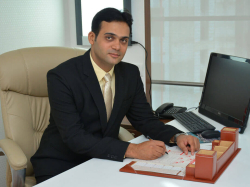
In 2010 he got selected in Entrance of DNB super specialty from National board of examination New Delhi by which he procured gastroenterology from Nizams institute of medical sciences Hyderabad. By this hard work and dedication, he completed theory and practical examination in gastroenterology in first attempt.
- Gastrologist vs Gastroenterologist: Is There a Difference? - September 8, 2026
- How to Choose the Right Gastroenterologist in Ahmedabad - September 4, 2026
- EUS 360 Program in Bhopal: Advancing Skills in Endoscopic Ultrasound - September 1, 2026