
Many people use the terms acidity, acid reflux, and GERD interchangeably, but they are not exactly the same. Understanding the Difference Between Acidity, GERD, & Acid Reflux can help you identify symptoms early and choose the right treatment. While all three conditions are related to stomach acid, they differ in severity, frequency, and long-term impact on health.
In this article, we will explain these conditions in simple language so that anyone can understand them easily.
What Is Acidity?
Acidity is a common digestive problem that occurs when the stomach produces excess acid. This extra acid can irritate the stomach lining and cause discomfort.
Common Symptoms of Acidity
- Burning sensation in the upper abdomen
- Indigestion after meals
- Bloating
- Burping
- Sour taste in the mouth
- Nausea
Common Causes of Acidity
- Eating spicy or oily foods
- Overeating
- Skipping meals
- Stress
- Excess tea or coffee
- Alcohol consumption
Treatment for Acidity
Most cases improve with lifestyle changes and medicine for acidity in the stomach prescribed by a healthcare professional.
What Is Acid Reflux?
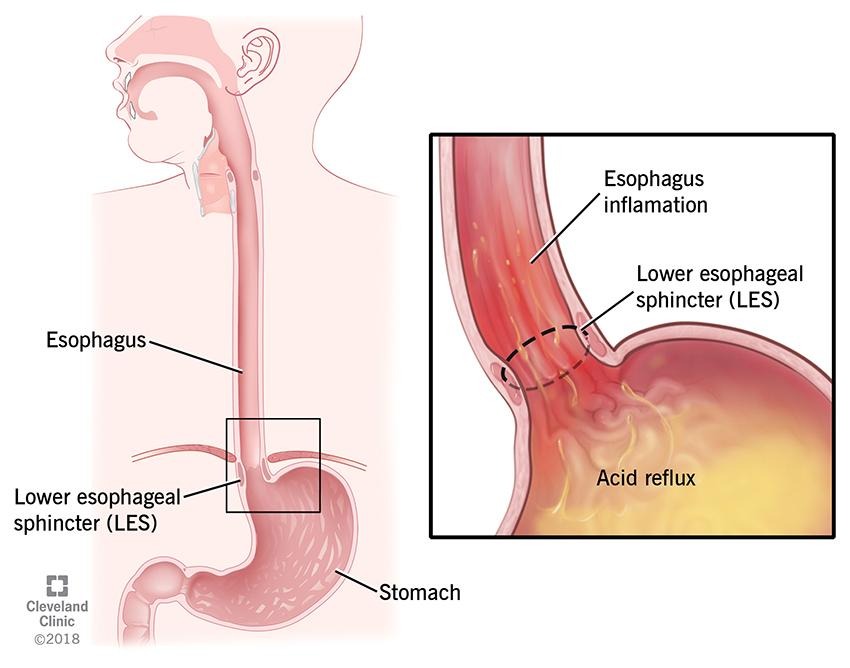
Acid reflux happens when stomach acid flows backward into the food pipe (esophagus). Normally, a valve called the lower esophageal sphincter prevents this backward flow. When the valve weakens or relaxes too much, acid can move upward.
Common Symptoms of Acid Reflux
- Heartburn (burning in the chest)
- Sour or bitter taste in the mouth
- Regurgitation of food or acid
- Difficulty swallowing
- Chronic cough
- Hoarseness
Can Acid Reflux Affect the Chest?
Yes. Many people worry that chest burning may be a heart problem. In some cases, acid reflux causes chest discomfort that feels similar to heart-related pain. However, sudden severe chest pain should always be evaluated by a doctor.
What Is GERD?
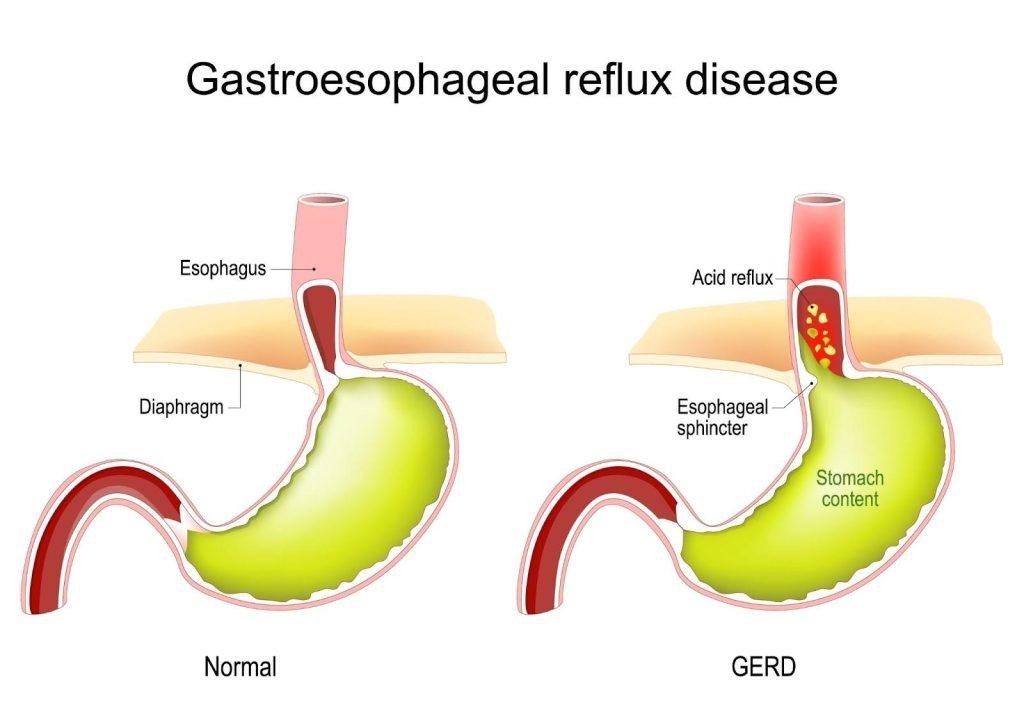
GERD stands for Gastroesophageal Reflux Disease. It is a chronic and more severe form of acid reflux.
Occasional acid reflux is common, but when reflux occurs frequently and causes inflammation or damage to the esophagus, it is considered GERD.
Common Symptoms of GERD
- Frequent heartburn
- Persistent acid reflux
- Chest discomfort
- Difficulty swallowing
- Feeling of food getting stuck
- Chronic throat irritation
- Sleep disturbance due to reflux
Possible Complications of GERD
- Esophagitis (inflammation)
- Ulcers
- Narrowing of the food pipe
- Barrett’s esophagus
- Increased risk of esophageal cancer in some patients
Difference Between Acidity, GERD, & Acid Reflux
| Feature | Acidity | Acid Reflux | GERD |
| Main Problem | Excess stomach acid | Acid moves into the esophagus | Chronic acid reflux disease |
| Frequency | Occasional | Occasional or frequent | Frequent and persistent |
| Severity | Mild to moderate | Moderate | More severe |
| Heartburn | Sometimes | Common | Very common |
| Esophagus Damage | Usually no | Possible | More likely |
| Long-term Condition | Usually no | Not always | Yes |
Why These Conditions Are Increasing
Modern lifestyle habits have made these problems more common.
Major Risk Factors
- Fast food consumption
- Late-night eating
- Obesity
- Stress
- Lack of exercise
- Smoking
- Excess alcohol intake
- Poor sleep
How Doctors Diagnose the Problem
If symptoms are frequent or severe, doctors may recommend tests such as:
- Upper GI endoscopy
- pH monitoring
- Esophageal manometry
- Imaging studies when needed
Treatment Options
Lifestyle Changes
- Eat smaller meals
- Avoid lying down after eating
- Lose excess weight
- Reduce spicy and fatty foods
- Limit caffeine and alcohol
- Stop smoking
- Elevate the head of the bed
Medications
Doctors may prescribe antacids, H2 blockers, proton pump inhibitors, or other medicines depending on the severity.
Many patients ask for the best medicine for acid reflux, but the right treatment depends on the individual’s symptoms, medical history, and diagnosis.
When Symptoms May Be Something Else
Not all upper abdominal discomfort is caused by acidity or reflux. Some people may have other digestive conditions, including delayed stomach emptying.
For example, the treatment for gastroparesis is different from the treatment for acidity or GERD because the underlying problem involves slow movement of food through the stomach.
How to Prevent Acidity and Reflux
Simple daily habits can greatly reduce symptoms.
- Eat meals on time.
- Chew food slowly.
- Drink enough water.
- Exercise regularly.
- Manage stress.
- Sleep well.
- Avoid overeating.
- Maintain a Healthy Gut by eating more fruits, vegetables, and fiber-rich foods.
When Should You See a Doctor?
Seek medical advice if you experience:
- Heartburn more than twice a week
- Difficulty swallowing
- Unexplained weight loss
- Vomiting blood
- Black stools
- Persistent chest discomfort
- Symptoms that do not improve with treatment
Conclusion
Understanding the Difference Between Acidity, GERD, & Acid Reflux is important because these conditions are related but not identical.
- Acidity usually means excess stomach acid causing indigestion and burning.
- Acid reflux occurs when stomach acid flows back into the food pipe.
- GERD is a chronic and more serious form of acid reflux that may lead to complications if ignored.
Most people can manage mild symptoms with healthy lifestyle changes, but persistent or severe symptoms should be evaluated by a healthcare professional. Early diagnosis and proper treatment can help prevent complications and improve long-term digestive health.

In 2010 he got selected in Entrance of DNB super specialty from National board of examination New Delhi by which he procured gastroenterology from Nizams institute of medical sciences Hyderabad. By this hard work and dedication, he completed theory and practical examination in gastroenterology in first attempt.
- Gastro Surgeon in Ahmedabad: Expert Care for Digestive Health - October 12, 2026
- Endoscopy Cost in Ahmedabad: Complete Guide - October 8, 2026
- What Causes Gastro Problems? Common Causes, Symptoms, and Treatment - October 3, 2026